Is DoorDash Worth It for Drivers? Analyzing Earnings, Expenses, & Flexibility
Dreaming of a side hustle that puts you in the driver's seat of your own schedule and income? For many, DoorDash seems like the perfect answer, offering the chance to earn extra cash on your own terms. But before you hit the road, the burning question remains: Is DoorDash worth it for drivers, truly analyzing the earnings, expenses, and flexibility involved? The answer, as with most things in the gig economy, isn't a simple yes or no. It's a nuanced calculation, one that depends heavily on your individual circumstances, location, vehicle, and dedication.
This comprehensive guide will cut through the hype and dive deep into what it really means to be a Dasher. We'll explore the tantalizing promises of flexibility and immediate earnings, the often-overlooked costs that chip away at your profits, and the smart strategies that can help you tilt the scales in your favor.
At a Glance: What You Need to Know About Driving for DoorDash
- Flexibility is Key: Set your own hours, work when you want, and choose your delivery zones. It's a great fit for fitting around other commitments.
- Low Barrier to Entry: You generally need a valid driver's license, insurance, a smartphone, and a reliable vehicle.
- Earnings Aren't Always What They Seem: While gross earnings might look good, significant expenses (fuel, maintenance, taxes) can reduce your net hourly rate to $10-$15 or even less.
- Expenses Are Real: Expect to pay for gas, vehicle wear and tear, increased insurance costs, and self-employment taxes. Tracking these is crucial.
- Market Conditions Vary: Demand for drivers, customer spending habits, and promotional offers can fluctuate significantly based on your location and the time of year.
- Strategy Matters: To maximize your income, you'll need to be smart about when and where you dash, which orders you accept, and how you manage your time and expenses.
The Promise of the Open Road: Why Drivers Consider DoorDash
DoorDash has become a staple for many looking for supplementary income or a full-time gig. The allure is strong, primarily centered around a few key benefits that stand out in today's dynamic job market.
First and foremost, there's the unparalleled flexibility. Imagine a job where you're your own boss, setting your hours to perfectly align with family obligations, another job, or educational pursuits. There’s no micromanagement, no set schedule, and no asking permission for time off. You simply open the app, choose where and when you want to "Dash," and get to work. This autonomy is a huge draw for students, parents, retirees, and anyone seeking to escape the rigidity of traditional employment.
Beyond the schedule, the low barrier to entry is another significant advantage. You typically don't need specialized skills or extensive experience. If you have a valid driver's license (or even just a bike in some urban areas), a reliable vehicle, a smartphone, and the ability to pass a background check, you're pretty much ready to go. There are no upfront fees to start, meaning you can potentially begin earning almost immediately after approval, offering a quick solution for those needing to boost their income quickly.
The job also offers a unique way to explore your city. You'll discover new restaurants, neighborhoods, and shortcuts you might never have noticed otherwise. For some, the simple act of driving, listening to music or podcasts, and being out and about is a welcome change from deskbound work. Plus, with options for quick payouts, you can often access your earnings daily, which can be a lifeline for managing immediate expenses.
Beyond the Base Pay: Understanding DoorDash's Earning Structure
When you accept a DoorDash order, the payment you see isn't just one static number; it's a dynamic calculation designed to entice drivers to complete deliveries. Understanding its components is critical to assessing your potential earnings.
At its core is the Base Pay, which DoorDash calculates for each delivery. This amount typically ranges from around $2 to $7 per order, depending on factors like the estimated time, distance, and desirability of the order. More complex deliveries, those traveling longer distances, or orders that have been passed on by other Dashers multiple times might have a higher base pay to incentivize their acceptance.
Then, there are Tips, which are perhaps the most significant component for a driver's take-home pay. DoorDash drivers keep 100% of the tips customers provide, making excellent customer service and efficient delivery paramount for encouraging generous gratuities. These tips are often what push an order from "barely worth it" to "definitely worth it."
Finally, DoorDash offers various Promotions to boost earnings during peak times or to encourage specific behaviors:
- Peak Pay: This is extra money added to each order during periods of high demand, like busy meal times, bad weather, or special events. The app will clearly show areas with active Peak Pay, often in a bright "heatmap" display.
- Challenges: Occasionally, DoorDash will offer bonuses for completing a certain number of deliveries within a specific timeframe (e.g., "Complete 10 deliveries by Sunday and get an extra $20"). These aren't available in all markets or consistently.
A newer feature, slowly rolling out in various markets, is "Earn by Time." This option allows Dashers to earn a guaranteed hourly rate for active time (from accepting an order to dropping it off), plus 100% of customer tips and any promotions. While it offers more predictability, the hourly rate might be lower than what you could achieve through strategic "Earn per Offer" driving, and Dashers may not be able to decline as many orders. It's a trade-off between stability and potential higher earnings through selectivity.
Overall, many sources claim drivers can earn upwards of $20 per hour before expenses. However, as Luis Jara, an experienced Dasher, highlights, even achieving $22 an hour in his market requires smart strategy and ideal conditions. The key takeaway here is that while the earning structure offers potential, it requires active management and awareness to truly capitalize on it. You can explore how these elements combine to affect your overall earnings by considering Is DoorDash truly worth it? once you factor in all the variables.
The Hidden Costs of Driving: Expenses That Eat Into Your Profits
The biggest mistake new Dashers make is looking only at their gross earnings without accounting for the substantial expenses that come with running their own delivery business. These costs can significantly reduce your net hourly wage, often turning a seemingly lucrative side hustle into a moderately paying one.
The most obvious expense is fuel costs. Every mile you drive to the restaurant, to the customer, and even back to a prime dashing zone, consumes gas. If your vehicle isn't fuel-efficient or gas prices are high, this can quickly become your largest recurring expense. You're not just paying for the gas, but for the time spent filling up, too.
Beyond the pump, vehicle maintenance is a constant companion for gig drivers. More miles mean more frequent oil changes, tire rotations, brake pad replacements, and eventually, more significant repairs. The depreciation of your vehicle's value is also an unseen cost, as the wear and tear from constant driving accelerates its aging process. Think of it: your car is your office, and offices require upkeep.
Then there's insurance. Your personal car insurance policy might not cover accidents or damages that occur while you're using your vehicle for commercial purposes. Many insurance providers require you to upgrade to a commercial policy or add a rideshare endorsement, which can significantly increase your premiums. While DoorDash provides some supplemental liability coverage when you're actively on a delivery, it's often minimal and doesn't cover your own vehicle's damage or lost income, leaving potential gaps in protection. It's crucial to understand your policy's limitations before you start.
As an independent contractor, you're also responsible for taxes. This isn't just income tax; you'll also owe self-employment taxes, which cover your Social Security and Medicare contributions. Many new drivers are blindsided by the size of their tax bill because employers typically withhold these taxes from paychecks, but as a Dasher, you're responsible for saving and paying them yourself. This can easily amount to 15-30% of your net income, depending on your total earnings and tax bracket.
Other smaller but impactful costs include:
- Phone data: The DoorDash app and navigation consume a lot of data, especially if you're out for extended periods.
- Essential gear: While DoorDash sends an activation kit, you might invest in better hot bags, a phone mount, or charging accessories.
After factoring in all these costs, the "around $20+ per hour" often quoted can quickly shrink. Realistic estimates suggest that after expenses, many drivers are looking at a net income closer to $10-$15 per hour. This "35% rule" – that about 35% of your gross earnings will go towards expenses and taxes – is a good mental benchmark to keep in mind.
The Unvarnished Truth: What You Can Really Expect to Earn
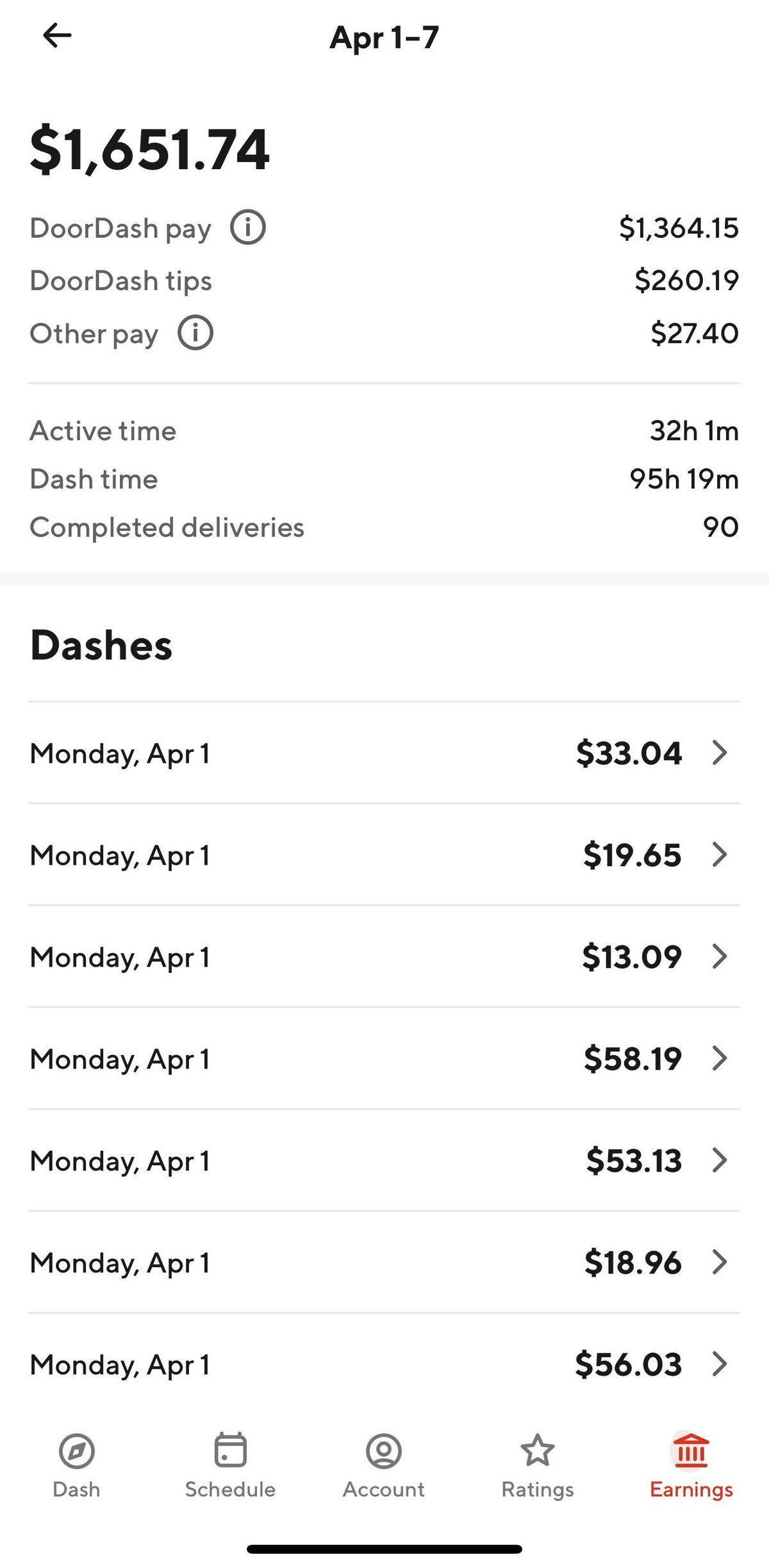
Setting realistic income expectations is perhaps the most important step before becoming a Dasher. While the potential for "up to $25/hour" or "more than $1,000 a week" might flash across your screen, the reality for most drivers, after accounting for expenses, often lands in a more moderate range.
As mentioned, many experienced Dashers report gross earnings (before expenses) in the $20-$25 per active hour range in good markets and during peak times. However, once you deduct fuel, wear and tear, and set aside funds for taxes, that figure drops. For many, a realistic net hourly income falls between $10 and $15 per hour. This aligns with the "35% rule" of expenses, turning a $20 gross hour into a $13 net hour.
What significantly impacts these numbers are market conditions and job variation. The gig economy is inherently unpredictable. There will be periods when orders are flowing consistently, and others when work is scarce. For example, early 2024 has seen a particularly slow period for many drivers due to:
- A post-holiday dip in customer spending.
- An influx of new drivers increasing competition.
- DoorDash system changes that some drivers feel have impacted order availability.
- A general slowdown in the restaurant industry.
- Reduced promotional offers like Peak Pay.
This means that while you might hit $20+ an hour on a busy Friday night, a Tuesday afternoon could see you sitting in a parking lot for extended periods, effectively lowering your average hourly rate for the week. Experienced drivers like Luis Jara might achieve $22/hour in their specific market, but this often comes with a deep understanding of local demand, strategic order selection, and a commitment to efficiency.
Ultimately, your take-home pay isn't just about what DoorDash pays per order; it's a dynamic equation involving your efficiency, your market, your vehicle's running costs, and your discipline in tracking everything. Without careful management, those higher advertised rates can quickly become deceptive.
The Dasher's Toolkit: Requirements & Essential Gear
Ready to start your engines? Here's what you'll typically need to meet the requirements and equip yourself for a successful Dashing experience.
Basic Requirements:
- Age: You must be at least 18 years old.
- Smartphone: An iPhone (iOS 11 or higher) or Android (8.0 or higher) is essential to run the DoorDash app and navigate.
- Vehicle: Most Dashers use a car, but scooters, motorcycles, or even bicycles are accepted in some urban areas, depending on local regulations.
- Driver's License: If you're using a motorized vehicle, you'll need a valid driver's license from your state.
- Car Insurance: You must carry a personal auto insurance policy that meets your state's minimum requirements. Remember, DoorDash provides supplemental insurance only when you're actively on a delivery, so ensure your personal policy covers commercial use or consider a rideshare endorsement.
- Clean Record: DoorDash conducts a background check (usually through Checkr), looking for serious traffic violations or major criminal convictions within the last seven years.
- Social Security Number: Required for tax purposes as an independent contractor.
- Operating City: You need to be in one of the 7,000+ cities in the US, Canada, Australia, or New Zealand where DoorDash operates.
Essential Gear (Supplied & Recommended): - Your Smartphone: Already covered, but cannot be overstated. A reliable device with good battery life is paramount.
- DoorDash Activation Kit: After your first delivery, DoorDash typically sends a welcome kit which includes:
- An insulated hot bag to keep food warm.
- Hand sanitizer and a mask (though mask requirements vary).
- A Red Card: This is a prepaid debit card for certain orders where DoorDash hasn't already paid the restaurant. You'll use it to pay for the food, and DoorDash will load the funds onto it for that specific purchase.
- Optional/Recommended Gear for Better Efficiency:
- Phone Mount: For safe, hands-free navigation.
- Car Charger/Power Bank: Your phone battery will drain quickly.
- High-Quality Hot Bag/Pizza Bag: While DoorDash provides one, a larger, more robust bag (especially for pizza) can make a big difference in food quality and customer satisfaction.
- Mileage Tracking App: Essential for tax purposes. More on this later.
With these basics covered, you'll be set to handle most DoorDash deliveries, but remember that preparedness can make a significant difference in your efficiency and customer ratings.
Mastering the Dash: Strategies to Maximize Your Earnings
Driving for DoorDash isn't just about hitting "Accept" on every order. To truly make it worth your while, you need to approach it like a small business owner, implementing strategies that boost your income and minimize your downtime.
1. Drive During Peak Hours & Use Heatmaps:
The simplest way to increase earnings is to work when demand is highest. Focus on:
- Lunch (11:00 AM - 2:00 PM)
- Dinner (5:00 PM - 9:00 PM)
- Weekends (especially evenings)
The DoorDash app features heatmaps that show areas with high order volume in real-time. Head to these "hotspots" to increase your chances of getting consecutive orders and benefiting from Peak Pay promotions.
2. Be Selective with Orders:
Don't accept every order that comes your way. This is perhaps the most crucial strategy. - Prioritize high-paying orders per mile. Experienced drivers like Luis Jara suggest aiming for orders that pay at least $7, or close to $2 per mile driven. Accepting a $3 order for 7 miles is a quick way to lose money.
- Exceptions: You might accept a slightly lower-paying order if it's very short distance ($5-$6 for a mile or two), takes you in the direction of a known hotspot, or if you're trying to maintain your "Top Dasher" status.
- Understand the impact of tips. The base pay is often low, so generous tips are what make orders profitable. While you can't guarantee tips, you can learn which restaurants or areas tend to have better-tipping customers over time.
3. Track Every Mile and Expense:
This isn't optional; it's vital for tax season. - Use a dedicated mileage tracking app (like Stride, Everlance, or Hurdlr) or a simple spreadsheet to log every mile you drive for DoorDash, from the moment you leave your house to the moment you return, or specifically when you're actively dashing.
- Keep meticulous records of all expenses: gas receipts, maintenance, phone bill portion, insulated bags, etc. These deductions can significantly reduce your taxable income.
4. Maintain Your Vehicle Diligently:
Your car is your primary tool. Regular oil changes, tire rotations, and prompt attention to minor repairs will prevent costly breakdowns that can sideline you and eat into your profits. A well-maintained vehicle is also more fuel-efficient and safer.
5. Provide Exceptional Customer Service:
This can directly impact your tips and customer ratings. - Communicate proactively: Send a quick message if there's a delay at the restaurant.
- Be polite and professional with both customers and restaurant staff.
- Confirm special instructions (e.g., leave at door, knock, specific condiments).
- Say thank you. A positive delivery experience often translates to better tips and ratings, which are crucial for your long-term success.
6. Strive for "Top Dasher" Status (Strategically):
Top Dasher status offers some appealing benefits: - Priority for high-value orders: You're more likely to receive higher-paying orders when other Dashers are available.
- "Dash Now" access: You can start working anytime, even if your zone is grayed out (meaning DoorDash isn't looking for more drivers). This can be a huge advantage during slow periods.
To qualify, you generally need: - A customer rating of 4.7 or higher.
- At least 100 deliveries completed in the current month.
- At least 200 lifetime deliveries.
- An acceptance rate of 70% or higher.
- A completion rate of 95% or higher.
The 70% acceptance rate is the trickiest for many, as it often means accepting some less profitable orders. Weigh the benefits of "Dash Now" access and priority orders against the potential for lower per-delivery earnings.
7. Consider DashLink Orders:
In some markets, DoorDash offers DashLink, which involves delivering multiple small packages or items in a sequence. These often pay higher overall and can be efficient, but might involve larger or more numerous items.
8. Multi-Apping:
This is perhaps the most advanced and effective strategy for maximizing earnings. Many experienced gig workers use multiple delivery apps simultaneously (e.g., DoorDash, Uber Eats, Grubhub, Instacart, Postmates). - How it works: You can toggle between apps, accepting the best offer available at any given moment. This drastically reduces downtime between orders.
- Caution: This requires excellent time management and navigation skills to ensure you don't accept conflicting orders or cause delays for customers. The goal is to maximize your "active time" and minimize idle waiting.
By adopting these strategies, you shift from simply being a delivery driver to becoming an efficient independent contractor, actively managing your time and resources to maximize your income.
Navigating the Roadblocks: Common Mistakes & Challenges
While the benefits of DoorDash are clear, the path to profitable dashing is often paved with challenges and common missteps that can quickly derail your efforts. Being aware of these pitfalls can save you time, money, and frustration.
1. Ignoring Vehicle Maintenance: As discussed, your car is your business asset. Neglecting regular oil changes, tire care, and addressing minor issues can lead to costly breakdowns, unexpected repairs, and lost earning time. Many new drivers underestimate the accelerated wear and tear that comes with constant driving.
2. Poor Order Selection & Time Management: Accepting every order, regardless of pay, distance, or estimated time, is a fast track to low hourly earnings. Driving during consistently slow periods or accepting low-paying orders that take you far from hotspots (known as "deadheading") wastes gas and precious time. A lack of self-discipline can lead to inefficient work patterns.
3. Failing to Track Expenses: This is perhaps the biggest financial blunder. Without meticulous records of mileage, gas, maintenance, and other business expenses, you'll pay more in taxes than necessary. The administrative burden of self-employment (like taxes) can feel overwhelming if you don't stay organized from day one.
4. Not Understanding the Impact of Traffic & Delays: Dense traffic, long waits at busy restaurants, or app glitches can quickly turn a profitable order into a frustrating, low-paying one. These unforeseen events contribute to stress and reduce your effective hourly wage. Luis Jara, for instance, highlights traffic and long waits as significant negatives of the job.
5. Underestimating Customer Expectations (and Stress): While most customers are reasonable, you'll inevitably encounter difficult ones, app issues, or even "tip-baiting" (where a customer promises a tip, then removes it after delivery). Bad ratings, even from unreasonable customers, can impact your standing and access to orders. The job requires a thick skin and good problem-solving skills.
6. Inadequate Insurance Coverage: Relying solely on your personal auto insurance without understanding its limitations for commercial activity is a huge risk. An accident while Dashing could leave you with no coverage, facing significant out-of-pocket expenses.
7. Working in a Saturated Market: If there are too many Dashers in your area compared to the number of orders, you'll spend more time waiting than driving, severely impacting your earnings. This ties back to monitoring market conditions and using the DoorDash heatmaps effectively.
By actively avoiding these common mistakes and preparing for the inherent challenges, you can significantly improve your experience and profitability as a DoorDasher.
Is the Juice Worth the Squeeze? Making Your Decision
So, after delving into the earnings, expenses, and nuances, the question remains: Is DoorDash worth it for you? The answer is deeply personal, hinging on a few critical factors that you'll need to assess honestly.
Before you sign up, take a moment to consider these questions:
- Do you genuinely enjoy working independently? DoorDash offers freedom from a boss, but it also means you're solely responsible for your performance, problem-solving, and motivation. There's no team or manager to rely on for day-to-day support.
- What's the traffic situation like in your area? If you live in a city plagued by constant gridlock, a significant portion of your time will be spent idling, burning gas, and not earning. This directly impacts your hourly rate.
- Do you have a fuel-efficient and reliable vehicle? A gas-guzzler or an unreliable car with frequent repair needs will quickly eat into your profits. The better your car's mileage and the lower its maintenance costs, the more profitable dashing will be.
- Are you prepared to adjust your car insurance? Investigating commercial coverage or rideshare endorsements is crucial. Are you willing to pay potentially higher premiums for adequate protection?
- How disciplined are you with tracking expenses and saving for taxes? As an independent contractor, you're running a mini-business. If you're not diligent about mileage tracking and setting aside money for self-employment taxes, you'll face unpleasant surprises come tax season.
- What are the local market conditions like? Is there a consistent demand for drivers in your area, or is the market saturated? Talk to other local gig drivers if possible, or try dashing during off-peak hours to get a feel for order volume.
- Do you enjoy driving for extended periods? While flexible, Dashing still involves spending hours behind the wheel. If you find driving stressful or boring, it might not be the right fit.
- Do you have good navigation and problem-solving skills? You'll need to navigate unfamiliar areas, deal with restaurant delays, and sometimes troubleshoot app issues or customer requests.
Ultimately, DoorDash is a tool. In the right hands, with the right strategy, and in the right market, it can be an incredibly valuable source of flexible income. For others, particularly those who don't account for expenses or live in challenging markets, it can feel like a treadmill that barely covers its own costs.
Final Thoughts: Your Drive, Your Business
Driving for DoorDash isn't just a job; it's an entrepreneurial venture. You are the CEO, logistics manager, customer service representative, and accountant of your own micro-business. The flexibility and low entry barrier make it an appealing option for many seeking to earn income on their own terms. However, the true profitability hinges on your ability to understand and manage your earnings, meticulously track your expenses, and strategically navigate the nuances of the gig economy.
By embracing the practical strategies outlined in this guide – from selective order acceptance and multi-apping to diligent expense tracking and exceptional customer service – you can significantly improve your chances of making DoorDash a truly worthwhile endeavor. Approach it with realistic expectations, a proactive mindset, and a commitment to smart business practices, and you just might find that the open road of DoorDash is a rewarding path after all.